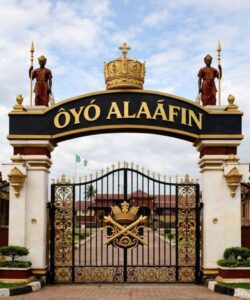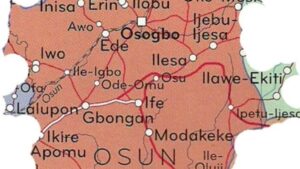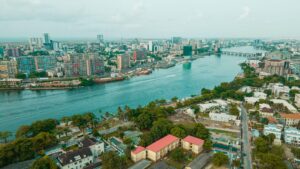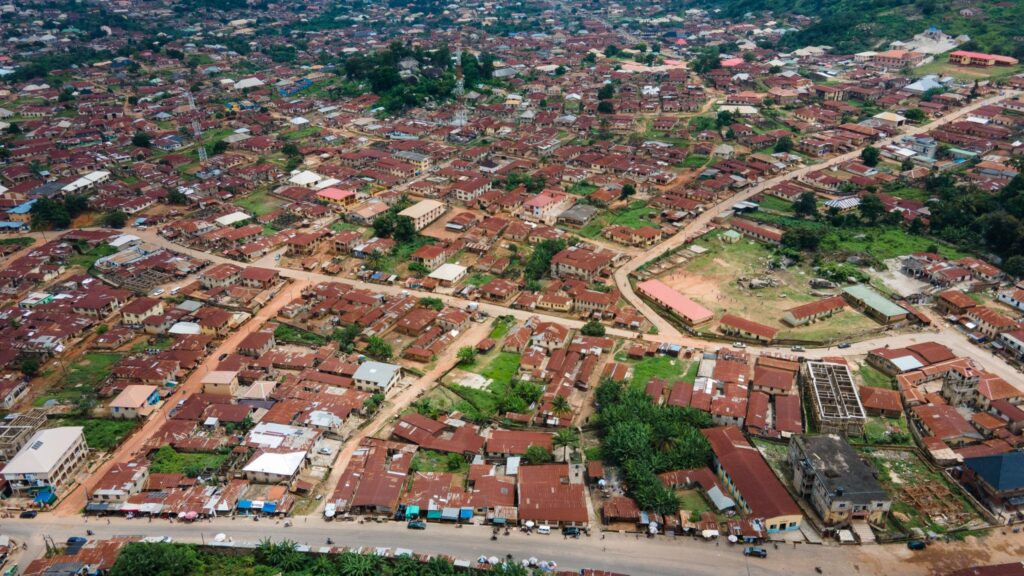
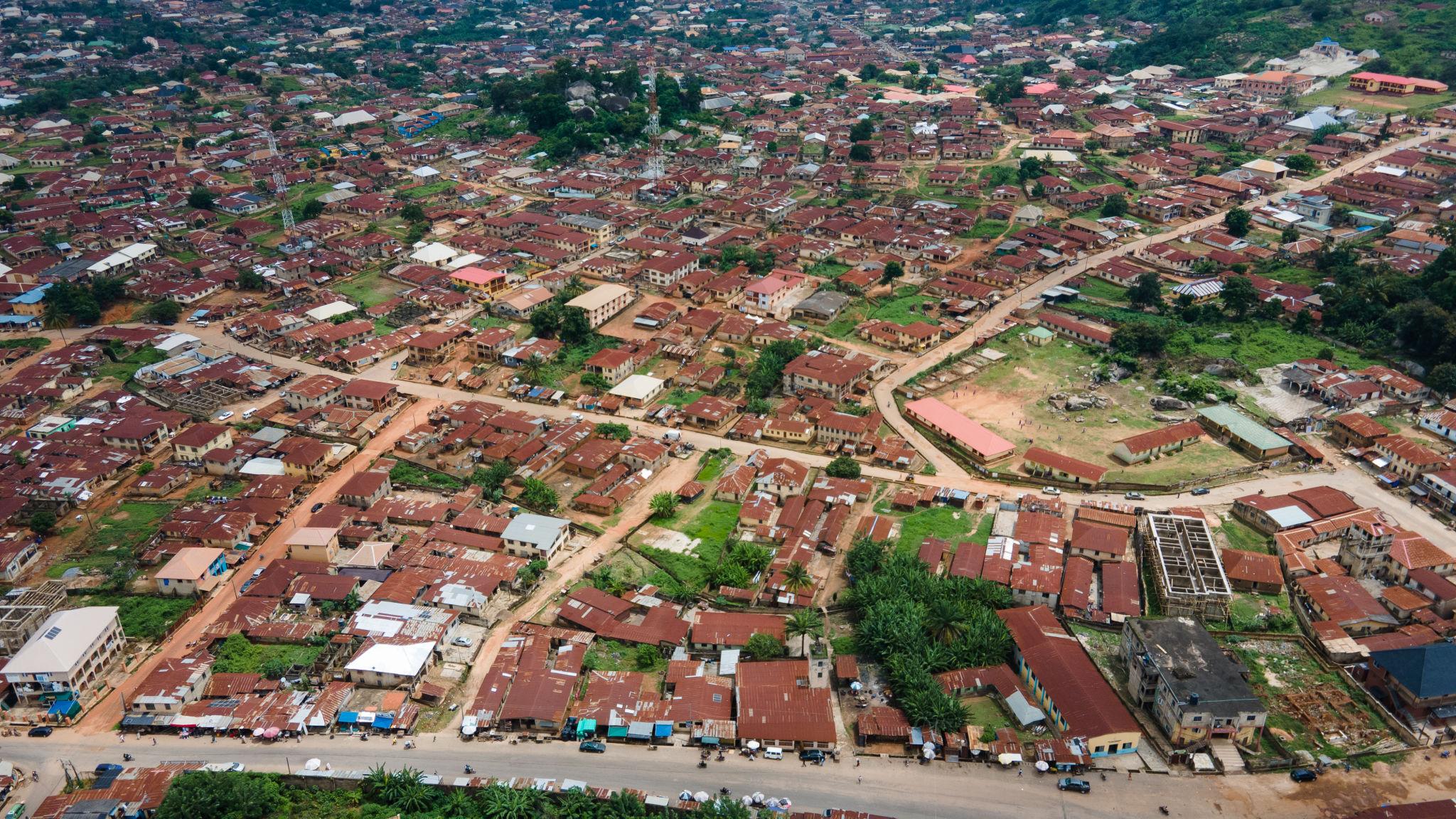
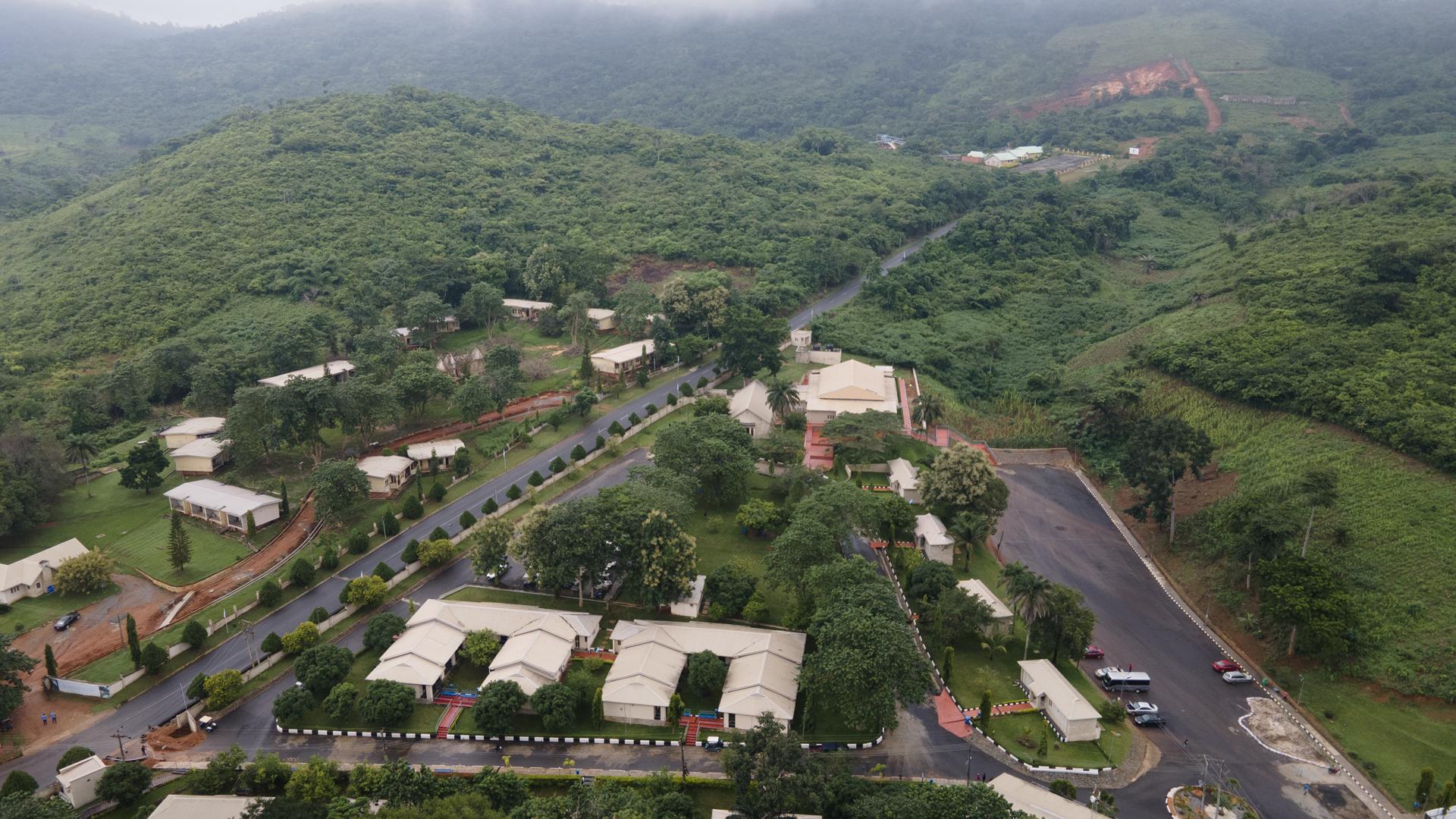
Ekiti State is one of Nigeria’s most peaceful and culturally rich states, located in the South-West geopolitical zone. Popularly known as the “Land of Honour and Integrity,” the state is famous for its educated population, beautiful hills, fertile land, traditional institutions, and strong Yoruba heritage.
Although it is one of Nigeria’s youngest states, Ekiti has a long and fascinating history dating back several centuries before colonial rule. The state is home to ancient kingdoms, respected monarchs, renowned scholars, successful politicians, entrepreneurs, athletes, and entertainers who have made significant contributions to Nigeria’s development.
From the historic city of Ado-Ekiti to the famous Ikogosi Warm Springs and the breathtaking Arinta Waterfalls, Ekiti State combines history, culture, education, and natural beauty. This article explores the complete story of Ekiti State, its history, major towns and cities, economy, culture, tourism, and notable personalities.
The Origin of Ekiti State
The history of Ekiti State is closely linked to the Yoruba people. The name “Ekiti” comes from the Yoruba word Okiti, meaning hill, a reflection of the state’s rolling hills and rocky landscape.
According to Yoruba oral history, many Ekiti communities trace their ancestry to Ile-Ife, the cradle of Yoruba civilization. Descendants of Oduduwa migrated from Ife and established kingdoms across the hilly region that is now Ekiti State.
For centuries, these kingdoms—including Ado, Ikere, Ijero, Ikole, Oye, Ilawe, Iyin, and others—developed their own traditional rulers, customs, and systems of governance while maintaining strong cultural ties.
During the colonial era, the area formed part of the old Western Region and later Ondo State.
After years of political agitation, Ekiti State was officially created on 1 October 1996 by the military government of General Sani Abacha. The state was carved out of the old Ondo State, with Ado-Ekiti chosen as its capital.
Today, Ekiti consists of 16 Local Government Areas and remains one of Nigeria’s leading states in education and human capital development.
Geography and Climate
Ekiti State covers approximately 6,353 square kilometres, making it one of Nigeria’s smaller states by land area.
It shares boundaries with:
- Ondo State
- Osun State
- Kwara State
- Kogi State
The landscape is characterized by hills, forests, rivers, valleys, and fertile farmland. The moderate climate supports year-round agriculture.
Major rivers include:
- River Ose
- River Ero
- River Ogbese
These rivers provide water for farming and domestic use.
Ado-Ekiti – The Capital City
Ado-Ekiti is the capital and largest city in Ekiti State. It serves as the state’s political, commercial, educational, and administrative headquarters.
Originally founded as an ancient Yoruba settlement, Ado-Ekiti has grown into a modern city with government institutions, universities, banks, hospitals, shopping centres, and vibrant markets.
Some notable landmarks include:
- Ekiti State Government House
- Fajuyi Memorial Park
- Ekiti State University (EKSU)
- Oja Oba Market
The city continues to expand rapidly due to investments in education, infrastructure, and commerce.
Ikere-Ekiti
Ikere-Ekiti is one of the oldest and largest towns in the state.
The town is famous for:
- Agriculture
- Cocoa farming
- Traditional festivals
- Historic palaces
Ikere also serves as an important commercial centre connecting Ekiti with Ondo State.
Ikole-Ekiti
Ikole-Ekiti is well known for agriculture and tourism.
The town is close to the famous Ikogosi Warm Springs, one of Nigeria’s most visited natural attractions.
Residents engage in cocoa farming, cassava cultivation, yam production, and trading.
Ijero-Ekiti
Ijero-Ekiti has a rich history of commerce and education.
The town is known for:
- Agricultural production
- Traditional crafts
- Community development
- Peaceful environment
Ijero also serves as a gateway to many surrounding communities.
Oye-Ekiti
Oye-Ekiti is one of the state’s leading educational towns.
It hosts the Federal University Oye-Ekiti (FUOYE), attracting thousands of students from across Nigeria.
The presence of the university has significantly boosted commerce, housing, transportation, and small businesses.
Other Major Towns in Ekiti State
Ekiti State has many historic towns and communities, including:
- Ilawe-Ekiti
- Iyin-Ekiti
- Ise-Ekiti
- Emure-Ekiti
- Aramoko-Ekiti
- Otun-Ekiti
- Omuo-Ekiti
- Efon-Alaaye
- Igbara-Odo
- Erio-Ekiti
- Isan-Ekiti
- Igede-Ekiti
- Ode-Ekiti
- Ido-Ekiti
- Awo-Ekiti
- Ogotun-Ekiti
Each town contributes to the state’s agricultural output, culture, and economic growth.
Culture and Traditions
Ekiti people are respected for their honesty, discipline, hospitality, and deep respect for elders.
Traditional rulers, known as Obas, play an important role in preserving customs and resolving community matters.
The people celebrate several colourful festivals throughout the year, including:
Udiroko Festival
Held annually in Ado-Ekiti to celebrate the town’s founding and cultural heritage.
Ogun Festival
Celebrating Ogun, the Yoruba deity of iron and craftsmanship.
New Yam Festival
Observed in many Ekiti communities to mark the beginning of the harvest season.
Traditional music, drumming, dancing, and colourful attire are central features of these celebrations.
Education in Ekiti State
Ekiti is widely regarded as one of Nigeria’s most educated states. It has produced countless professors, teachers, judges, medical professionals, engineers, and public servants.
Major institutions include:
- Ekiti State University (EKSU)
- Federal University Oye-Ekiti (FUOYE)
- Bamidele Olumilua University of Education, Science and Technology
- Federal Polytechnic Ado-Ekiti
- College of Health Sciences, Ijero-Ekiti
The state’s emphasis on education has earned it the nickname “Fountain of Knowledge.”
Economy
The economy of Ekiti State is driven primarily by agriculture, education, commerce, and tourism.
Agriculture
Major crops include:
- Cocoa
- Yam
- Cassava
- Rice
- Maize
- Plantain
- Oil palm
- Kolanut
Agriculture remains the largest employer of labour in the state.
Commerce
Markets across Ado-Ekiti, Ikere, Ikole, Ijero, and Oye support vibrant trading activities.
Small and medium-sized businesses continue to expand due to increasing urbanization.
Tourism
The state’s natural attractions draw visitors from across Nigeria and beyond.
Tourist Attractions
Ekiti State is blessed with numerous tourist destinations.
Ikogosi Warm Springs
Perhaps the state’s most famous attraction, the Ikogosi Warm Springs is a unique natural phenomenon where warm and cold springs flow side by side without mixing immediately. The resort attracts tourists, researchers, and honeymooners.
Arinta Waterfalls
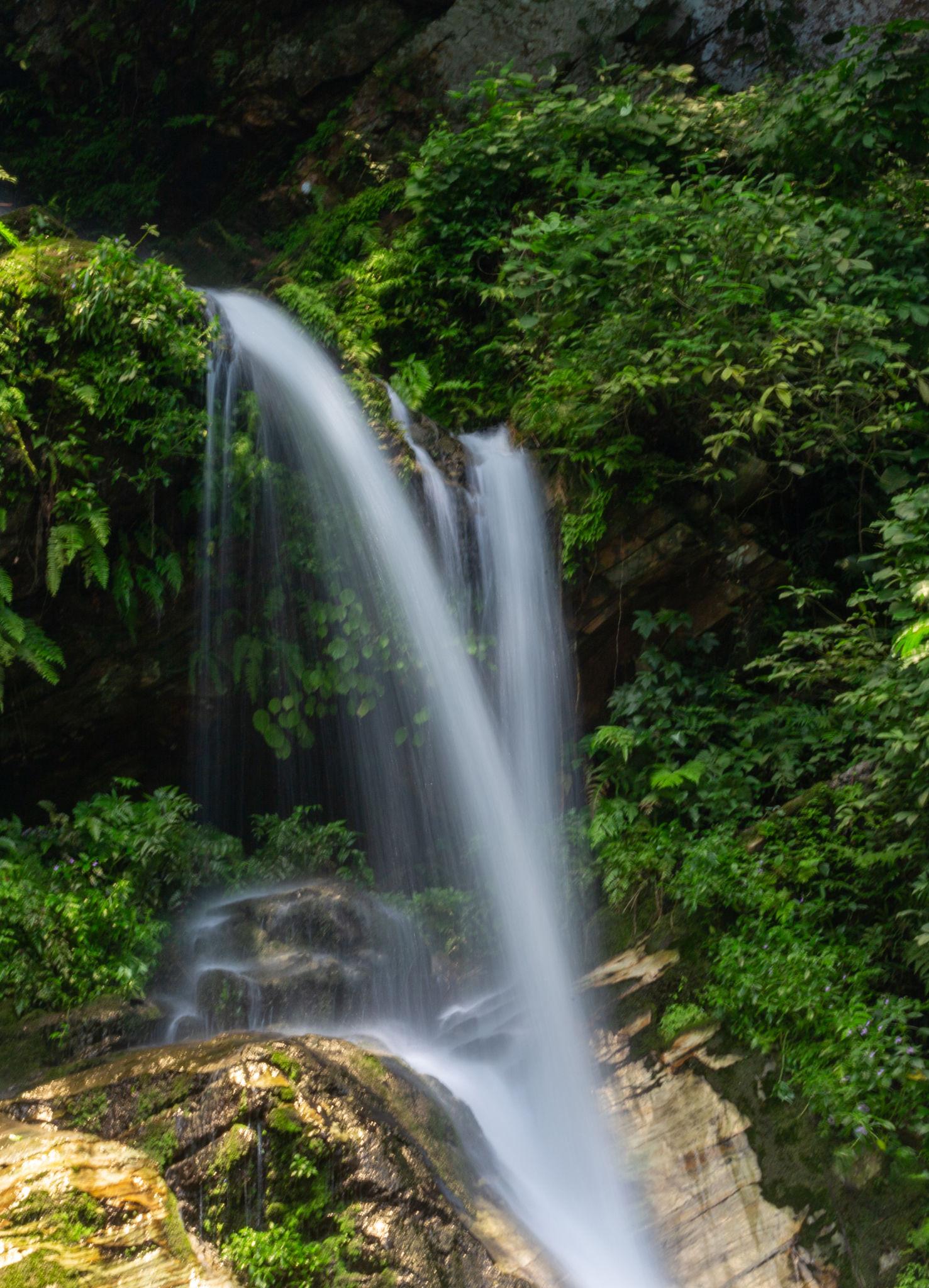
Located in Ipole-Iloro, Arinta Waterfalls is one of Nigeria’s most beautiful waterfalls, surrounded by lush vegetation and rocky hills.
Fajuyi Memorial Park
Built in honour of Colonel Adekunle Fajuyi, the former Military Governor of the Western Region who was killed during the 1966 military coup.
Ewi’s Palace
The palace of the Ewi of Ado-Ekiti remains an important cultural and historical landmark.
Olosunta Hills
These scenic hills provide breathtaking views of the surrounding landscape and attract hikers and nature lovers.
Famous Celebrities and Notable Personalities from Ekiti State
Ekiti State has produced many outstanding Nigerians.
Afe Babalola
Renowned lawyer, philanthropist, and founder of Afe Babalola University (ABUAD), one of Nigeria’s leading private universities.
Kayode Fayemi
Former Governor of Ekiti State and former Minister of Mines and Steel Development.
Biodun Oyebanji
Current Governor of Ekiti State.
Niyi Adebayo
Former Governor of Ekiti State and former Minister of Industry, Trade and Investment.
Adekunle Fajuyi
Military Governor of the Western Region remembered for his courage and sacrifice during the 1966 coup.
Femi Otedola
Business billionaire with strong ancestral roots in Ekiti State.
Bimbo Daramola
Politician and public affairs commentator.
Tope Alabi
Celebrated gospel singer whose family roots are linked to Ekiti.
Yemi Elebuibon
Respected Yoruba cultural scholar, author, and traditional consultant.
Adebayo Adelabu
Although widely associated with Oyo State politically, his family heritage has historical ties within the broader Yoruba region and he has worked closely with neighbouring states.
Local Government Areas
Ekiti State has 16 Local Government Areas:
- Ado
- Efon
- Ekiti East
- Ekiti South-West
- Ekiti West
- Emure
- Gbonyin
- Ido/Osi
- Ijero
- Ikere
- Ikole
- Ilejemeje
- Irepodun/Ifelodun
- Ise/Orun
- Moba
- Oye
Why Ekiti Is Called the Fountain of Knowledge
Ekiti has one of the highest literacy rates in Nigeria and has produced an exceptional number of professors, judges, academics, teachers, engineers, doctors, and civil servants. This commitment to education earned the state the nickname “Fountain of Knowledge.”
Conclusion
Ekiti State is a remarkable blend of history, education, culture, and natural beauty. From the ancient kingdoms founded by descendants of Oduduwa to the modern city of Ado-Ekiti, the state has preserved its rich traditions while embracing development.
Its fertile land, peaceful communities, respected monarchs, world-class educational institutions, and spectacular attractions such as Ikogosi Warm Springs and Arinta Waterfalls continue to make it one of Nigeria’s most attractive destinations.
Whether you are interested in history, tourism, business, or education, Ekiti State offers a unique experience that reflects the resilience, intelligence, and cultural pride of the Yoruba people. As the Land of Honour and Integrity, Ekiti remains a shining example of progress, learning, and heritage in Nigeria.