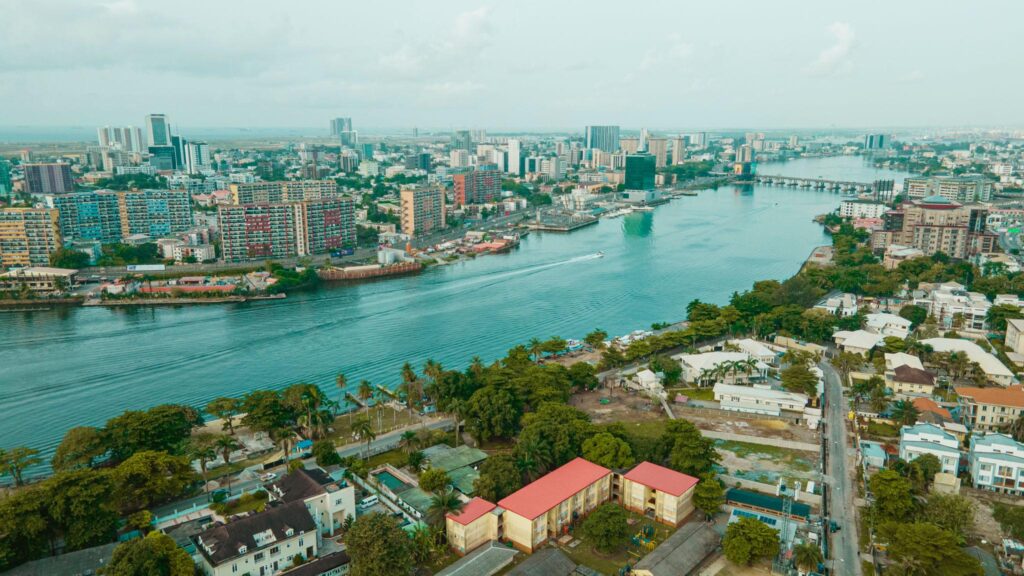
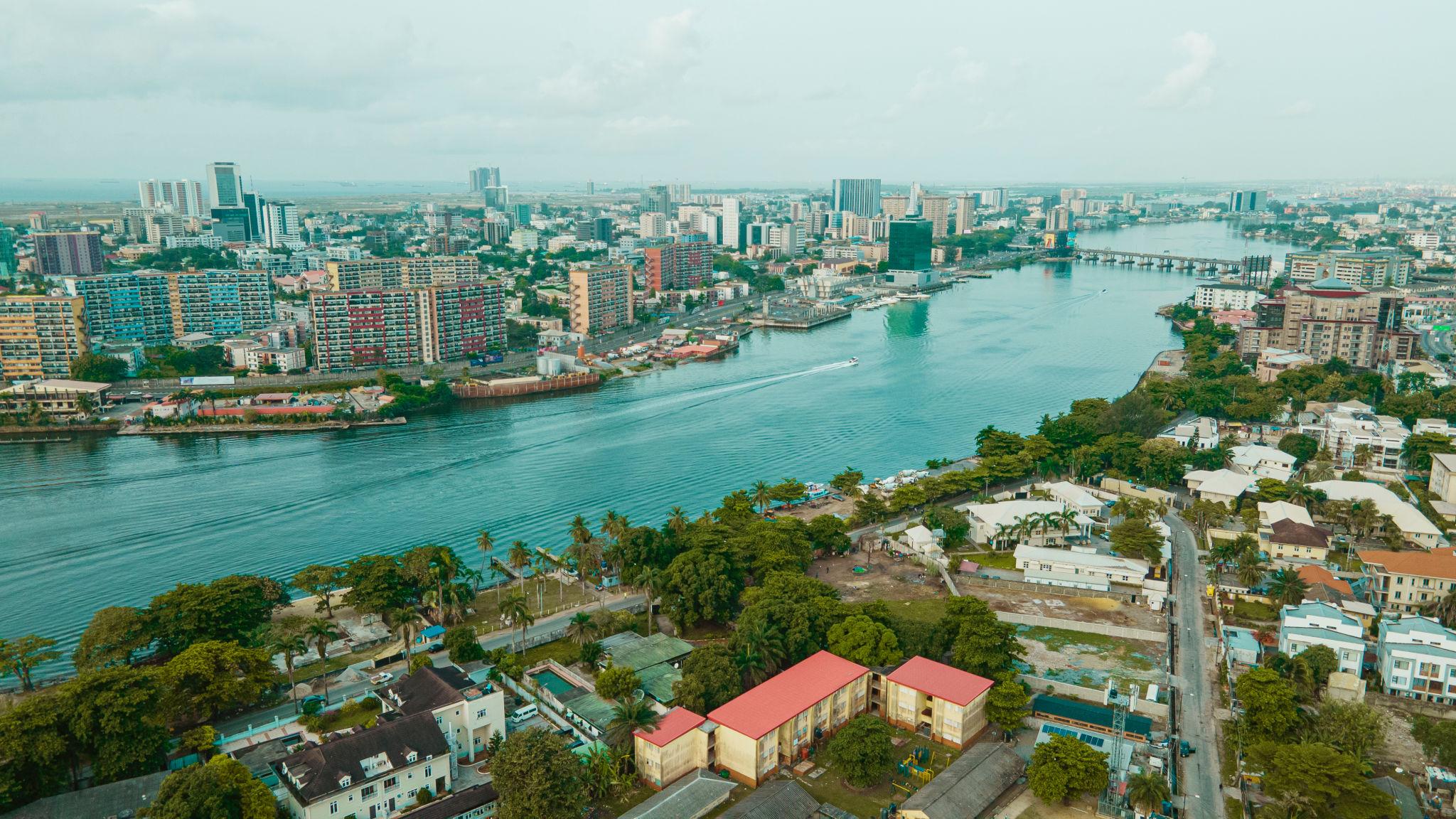
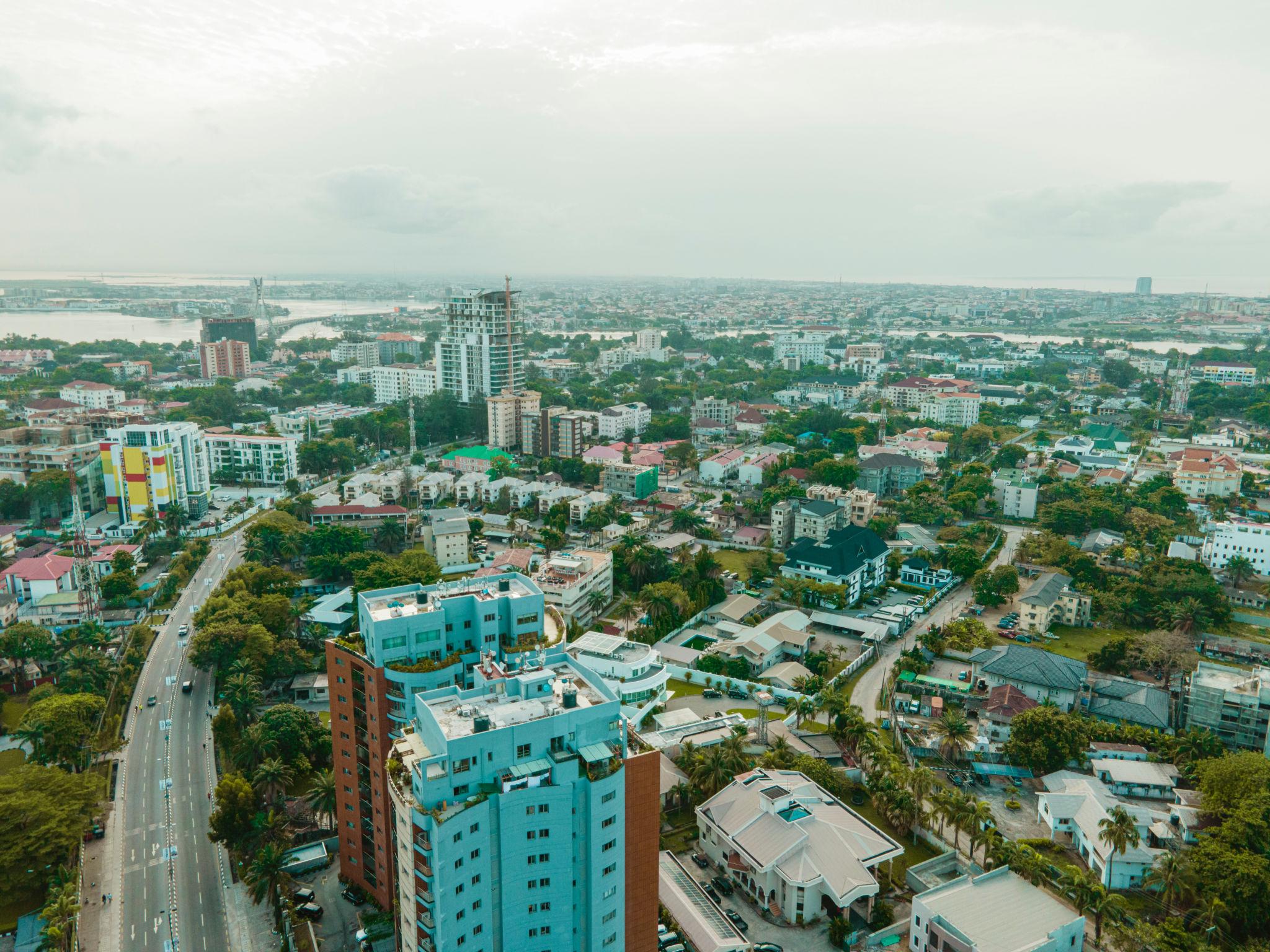
Lagos State is Nigeria’s commercial capital and the country’s most populous and economically vibrant state. Although it is the smallest state in Nigeria by land area, Lagos has become one of Africa’s fastest-growing megacities and a global hub for business, finance, entertainment, technology, tourism, and culture.
Popularly known as the “Centre of Excellence,” Lagos is home to more than 20 million people from different ethnic groups, religions, and nationalities. It is the headquarters of Nigeria’s banking industry, the Nollywood film industry, a thriving music scene, and one of West Africa’s busiest seaports.
From the ancient Awori settlements to the colonial era and modern skyscrapers of Victoria Island and Eko Atlantic City, Lagos has evolved into one of Africa’s most influential cities. This article explores the complete history of Lagos State, its major cities and towns, culture, economy, tourism, and notable personalities.
The Origin of Lagos State
The history of Lagos dates back several centuries before European contact. The earliest known settlers were the Awori, a subgroup of the Yoruba people, who established communities on the islands and mainland around the Lagos Lagoon. These settlements relied on fishing, farming, salt production, and local trade.
The original Yoruba name for the area was Eko, a name still widely used today by residents. “Eko” referred to the settlement that later became the political and commercial center of the region.
In the late 15th century, Portuguese explorers arrived on the coast and named the area Lagos, after the Portuguese port city of Lagos. Over time, the name became widely adopted during European trade and colonial administration.
During the 18th and early 19th centuries, Lagos grew into an important trading center. It was involved in regional commerce and, like many coastal cities of the time, became connected to the trans-Atlantic slave trade. In 1861, the British annexed Lagos, transforming it into a colonial administration center and expanding its role as a major port.
After Nigeria gained independence in 1960, Lagos served as the nation’s capital until 1991, when the Federal Capital Territory was officially moved to Abuja. Despite losing its status as the national capital, Lagos remained Nigeria’s economic powerhouse.
Lagos State itself was officially created on 27 May 1967 by the military government of General Yakubu Gowon when Nigeria’s regions were reorganized into states. Today, Lagos continues to lead Nigeria in commerce, innovation, and urban development.
Geography and Location
Lagos State is located in the South-West geopolitical zone of Nigeria.
It shares boundaries with:
- Ogun State
- The Republic of Benin (through coastal proximity)
- The Atlantic Ocean
Despite covering only about 3,577 square kilometres, Lagos has one of the highest population densities in Africa.
The state consists of islands, lagoons, wetlands, beaches, and an expanding mainland urban area.
Ikeja – The State Capital
Ikeja is the capital of Lagos State and serves as its administrative headquarters.
The city houses:
- Lagos State Government House
- State ministries
- Murtala Muhammed International Airport
- Computer Village
- Major corporate headquarters
Ikeja is one of Nigeria’s largest business districts and remains a centre for technology, commerce, and government administration.
Lagos Island
Lagos Island is the historic heart of Lagos.
It contains some of the city’s oldest settlements, markets, financial institutions, and cultural landmarks.
Important areas include:
- Marina
- Broad Street
- Balogun Market
- Tinubu Square
The island continues to play a major role in banking, commerce, and tourism.
Victoria Island
Victoria Island has developed into Nigeria’s premier financial and luxury district.
It is home to:
- International banks
- Multinational companies
- Luxury hotels
- Shopping malls
- Fine dining restaurants
- Corporate offices
The area also boasts beautiful waterfront views and modern residential estates.
Lekki
Lekki is one of the fastest-growing urban corridors in Nigeria.
The district has become famous for:
- Luxury housing estates
- Lekki Free Trade Zone
- Dangote Refinery corridor
- Tech startups
- Modern shopping malls
- Entertainment centres
Lekki has attracted significant local and foreign investment over the past two decades.
Ikorodu
Ikorodu is a rapidly expanding commercial and residential city on the north-eastern side of Lagos State.
Known for its manufacturing industries, educational institutions, and growing infrastructure, Ikorodu has become an important destination for businesses and families.
Badagry
Badagry is one of the oldest towns in Lagos State and holds a special place in Nigerian history.
The town played a major role during the trans-Atlantic slave trade and is home to several historical sites, including the Badagry Heritage Museum, the First Storey Building in Nigeria, and the Point of No Return.
Today, Badagry attracts historians, researchers, and tourists interested in Nigeria’s past.
Epe
Epe is famous for fishing, agriculture, and tourism.
Located near the Lagos Lagoon, it is one of the state’s largest producers of fish and seafood.
Its quieter atmosphere, compared to central Lagos, has made it an attractive area for new residential and commercial developments.
Other Major Towns and Districts
Lagos State is made up of numerous important communities and urban centres, including:
- Surulere
- Yaba
- Mushin
- Agege
- Apapa
- Festac Town
- Ajah
- Isolo
- Oshodi
- Alimosho
- Ketu
- Egbeda
- Iyana Ipaja
- Ikoyi
- Ojo
- Amuwo-Odofin
- Somolu
- Gbagada
- Sangotedo
- Ibeju-Lekki
Each contributes to the state’s economic and cultural diversity.
Culture and Traditions
Lagos is a melting pot of cultures. While the indigenous inhabitants are mainly Awori and other Yoruba groups, the state is home to people from every part of Nigeria and many foreign countries.
Traditional festivals remain an important part of Lagos culture, including:
Eyo Festival
Often called the “Adamu Orisha Play,” the Eyo Festival is one of Lagos’ most iconic cultural events. Participants dressed in flowing white robes and hats parade through Lagos Island in honour of departed kings and notable citizens.
Lagos Black Heritage Festival
This festival celebrates African history, arts, fashion, music, and culture.
Boat Regattas
Communities along the lagoon organize colourful boat races and water festivals that highlight Lagos’ maritime heritage.
Education
Lagos State is home to many of Nigeria’s leading educational institutions, including:
- University of Lagos (UNILAG)
- Lagos State University (LASU)
- Pan-Atlantic University
- Yaba College of Technology
- Lagos State University of Science and Technology
- Lagos State University of Education
The state also hosts numerous private schools, international schools, research centres, and vocational institutions.
Economy
Lagos has the largest economy of any state in Nigeria.
Its major sectors include:
Finance
Most of Nigeria’s leading commercial banks have their headquarters in Lagos.
Manufacturing
The state is home to industries producing:
- Food and beverages
- Cement
- Pharmaceuticals
- Consumer goods
- Textiles
- Building materials
Entertainment
Lagos is the centre of Nollywood and the Nigerian music industry. Many of Africa’s biggest movies, television productions, and music videos are produced in the state.
Technology
Yaba, often referred to as “Nigeria’s Silicon Valley,” has become a hub for startups, software companies, and innovation.
Maritime Trade
Apapa and Tin Can Island ports handle a significant percentage of Nigeria’s imports and exports.
Tourist Attractions
Lagos offers a wide variety of attractions for visitors.
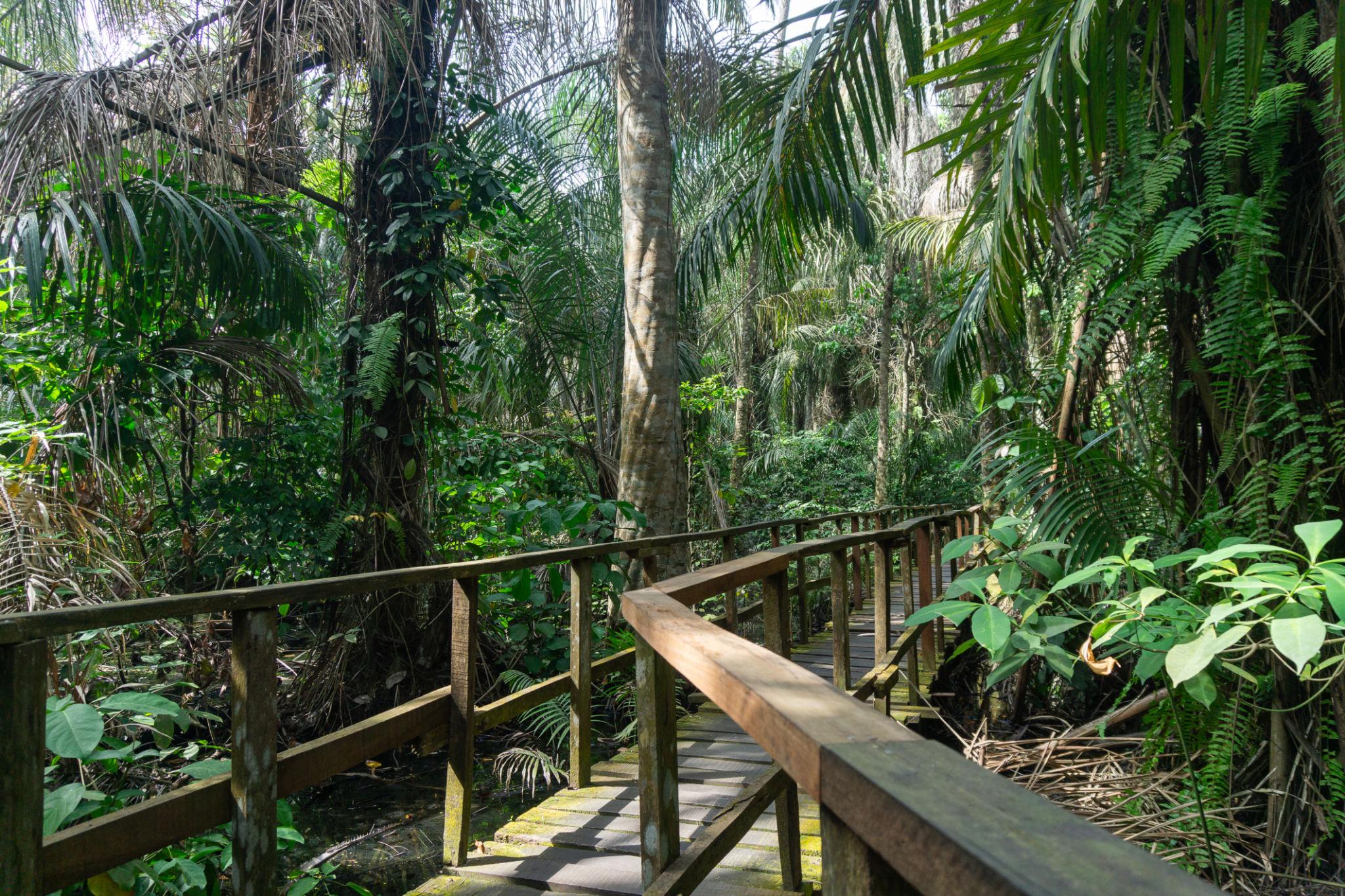
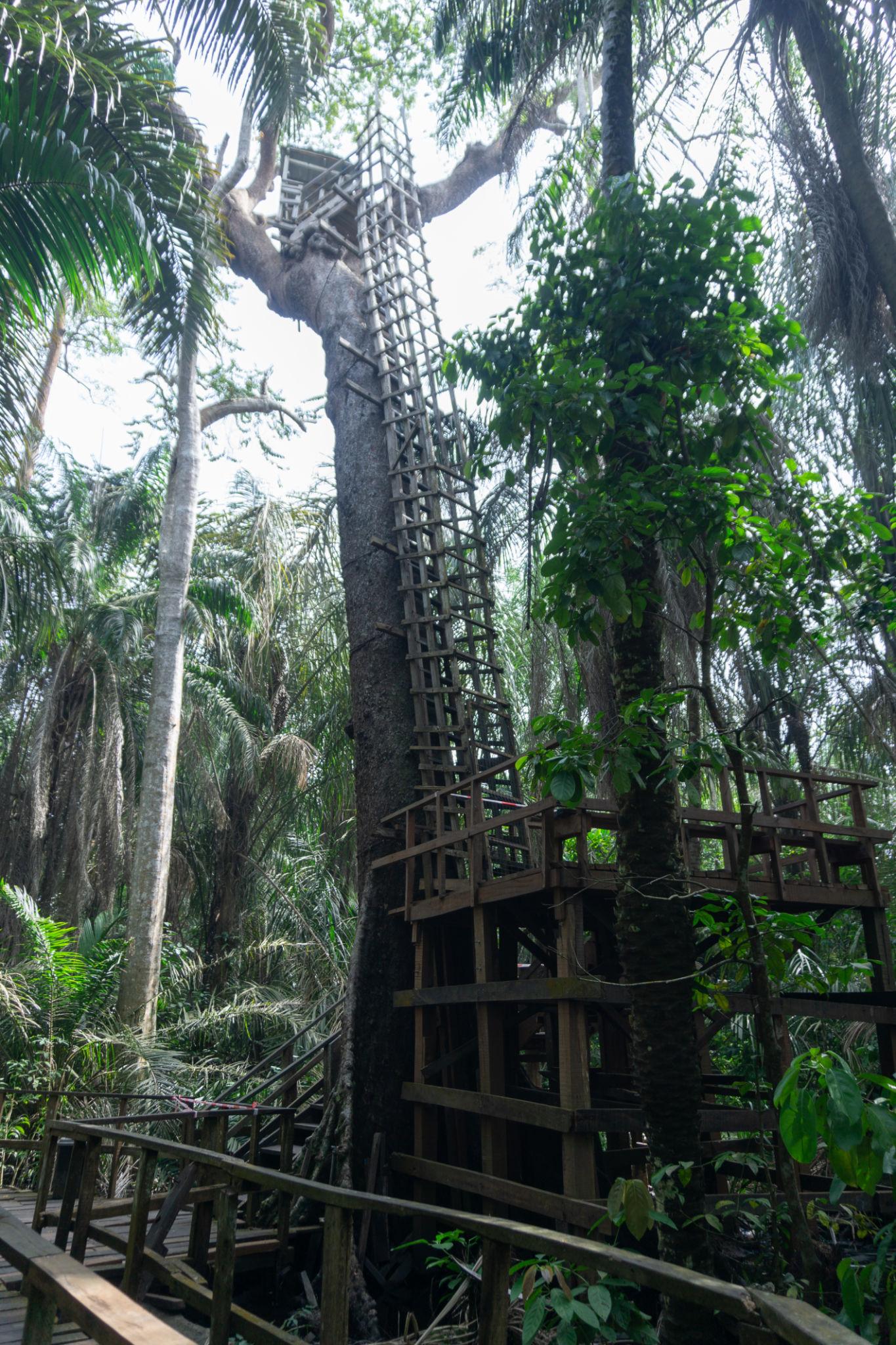
Lekki Conservation Centre
One of Africa’s longest canopy walkways and a haven for nature lovers.
Tarkwa Bay Beach
A popular beach accessible by boat, known for water sports and relaxation.
Nike Art Gallery
One of the largest art galleries in West Africa, showcasing contemporary and traditional Nigerian art.
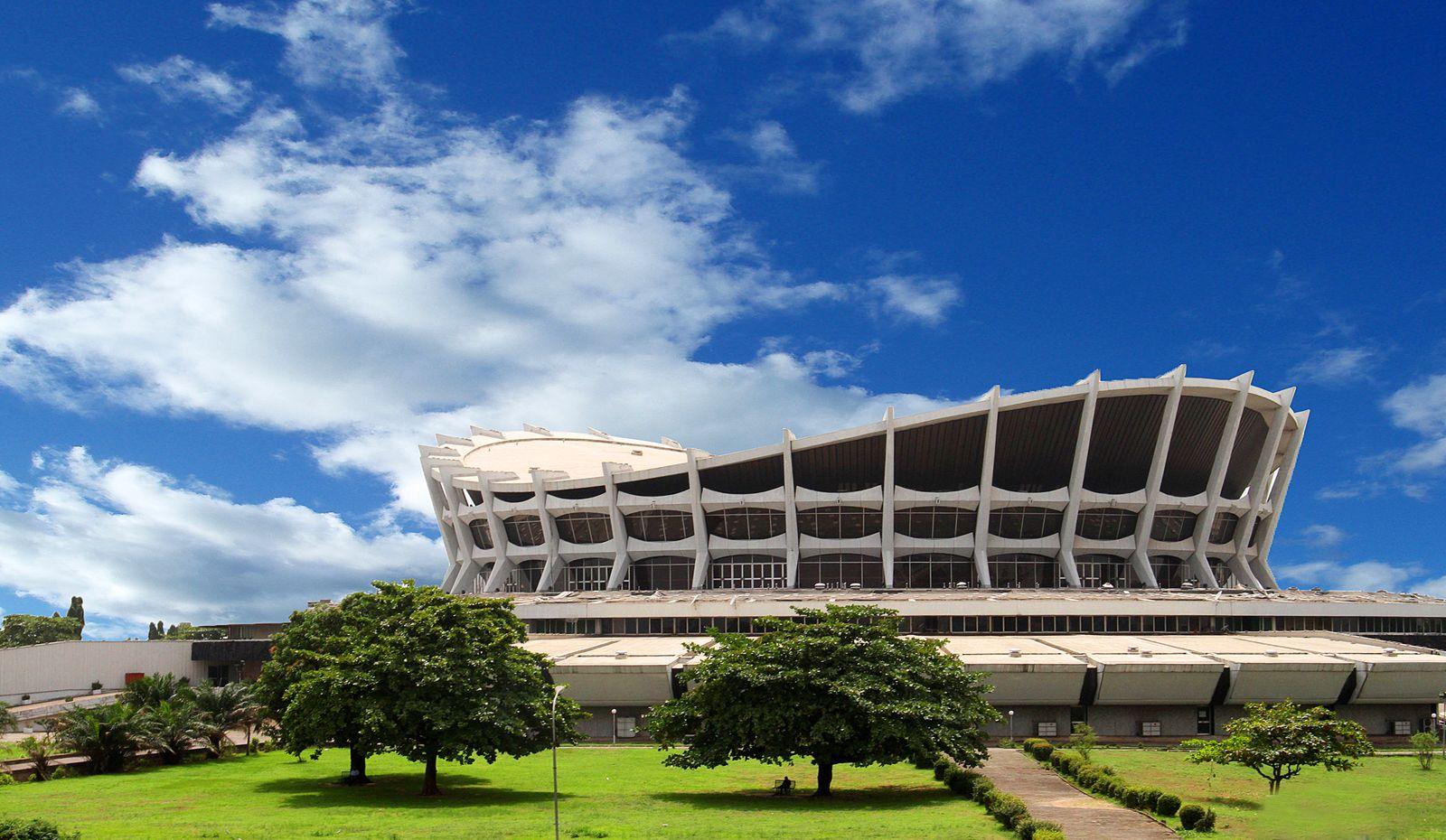
National Theatre
An iconic cultural centre for performing arts and exhibitions.
Freedom Park
A former colonial prison transformed into a public park hosting concerts, exhibitions, and festivals.
Eko Atlantic City
A modern city being built on reclaimed land along the Atlantic coast, symbolizing Lagos’ ambition for future urban development.
Famous Celebrities and Notable Personalities from Lagos State
Lagos has produced and nurtured many of Nigeria’s most influential figures.
Babajide Sanwo-Olu
Current Governor of Lagos State.
Bola Ahmed Tinubu
Former Governor of Lagos State and President of the Federal Republic of Nigeria.
Fela Anikulapo Kuti
Legendary Afrobeat pioneer whose music gained international acclaim.
Tony Elumelu
Business leader, investor, and philanthropist.
Aliko Dangote
Africa’s richest businessman, whose industrial empire has major operations in Lagos.
Genevieve Nnaji
Award-winning actress who built much of her career in Lagos.
Funke Akindele
One of Nollywood’s most successful actresses, producers, and directors.
Wizkid
Grammy Award-winning singer and songwriter born and raised in Lagos.
Tiwa Savage
Internationally acclaimed singer whose career flourished in Lagos.
Don Jazzy
Record producer, entrepreneur, and founder of Mavin Records.
Burna Boy
Grammy-winning artist whose musical journey is closely connected to Lagos.
Davido
Global Afrobeats superstar who has lived and built much of his career in Lagos.
Local Government Areas
Lagos State has 20 Local Government Areas, including:
- Agege
- Ajeromi-Ifelodun
- Alimosho
- Amuwo-Odofin
- Apapa
- Badagry
- Epe
- Eti-Osa
- Ibeju-Lekki
- Ifako-Ijaiye
- Ikeja
- Ikorodu
- Kosofe
- Lagos Island
- Lagos Mainland
- Mushin
- Ojo
- Oshodi-Isolo
- Shomolu
- Surulere
Why Lagos Is Called the Centre of Excellence
Lagos earned the nickname “Centre of Excellence” because of its leadership in commerce, innovation, infrastructure, education, entertainment, transportation, and investment. It remains Nigeria’s gateway to international business and one of Africa’s most dynamic urban economies.
Conclusion
Lagos State is more than Nigeria’s commercial capital—it is a city of dreams, innovation, and endless opportunity. From the ancient Awori settlements and historic streets of Lagos Island to the skyscrapers of Victoria Island and the ambitious Eko Atlantic project, Lagos reflects the remarkable journey of a city that has continually reinvented itself.
With its thriving economy, world-class educational institutions, vibrant arts and entertainment scene, rich cultural heritage, beautiful beaches, and diverse population, Lagos continues to attract millions of visitors, entrepreneurs, students, and investors every year. As the Centre of Excellence, Lagos remains a driving force behind Nigeria’s economic growth and a symbol of Africa’s urban future.